
انتشار مقاله عضو هیأت علمی گروه مهندسی مواد درباره امکانسنجی و تعیین ویژگیهای فرآیند ساخت افزایشی قوس و سیم مبتنی بر جوشکاری قوس فلزی گاز برای ساخت پلها و سازههای فلزی با رویکرد الگوریتمهای هوش مصنوعی
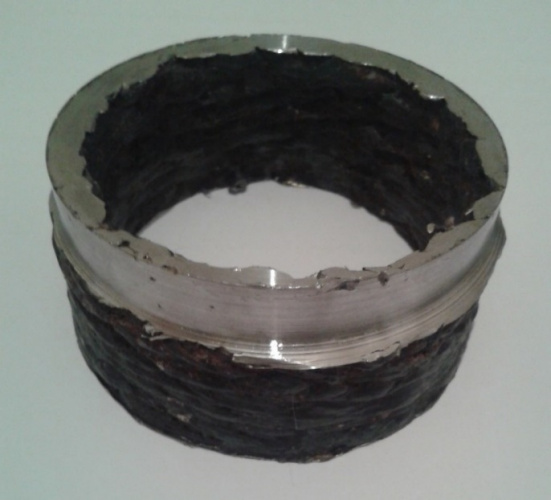
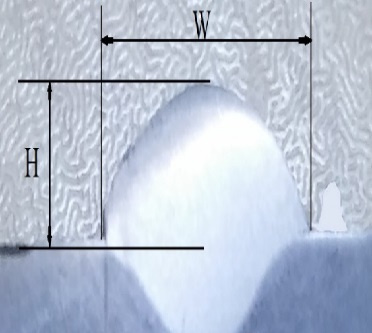
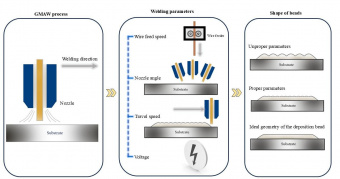
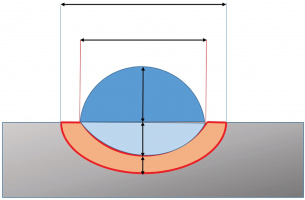
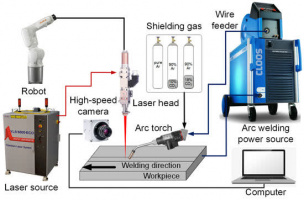
در این پژوهش، با توجه به افزایش نیاز جامعه به سازههای سبکتر، مقاومتر و سریعالاحداث، فناوری ساخت افزایشی بهعنوان یکی از سریعترین و اقتصادیترین روشهای تولید سازههای فلزی اولیه مورد بررسی قرار گرفت. سه پارامتر ولتاژ، سرعت تغذیه سیم و سرعت جوشکاری بهعنوان پارامترهای ورودی مؤثر بر عرض و ارتفاع گرده جوش انتخاب شدند و ۱۶ آزمایش تجربی برای ارزیابی اثر این پارامترها انجام گرفت.
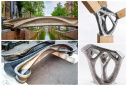
پس از اندازهگیری ابعاد هندسی گرده جوش، مدلسازی عددی نتایج با استفاده از سه روش یادگیری ماشین فشرده، ماشین بردار مرتبط و منطق فازی انجام شد. مقایسه دادههای تجربی با نتایج مدلها نشان داد که مدل منطق فازی بیشترین تطابق را با دادههای واقعی دارد. میانگین خطای پیشبینی ارتفاع و عرض گرده جوش در مدل فازی بهترتیب برابر با ۰٫۶۶۷ و ۰٫۵۴۷۷ و مقدار ریشه میانگین مربعات خطا برای ارتفاع و عرض بهترتیب برابر با ۰٫۰۰۴۶ و ۰٫۳ گزارش شد که بیانگر دقت، قابلیت تعمیم و اعتمادپذیری مناسب این روش مدلسازی است. در نهایت، یک نمونه سازه فلزی ویژه با استفاده از فرآیند ساخت افزایشی قوس و سیم مبتنی بر GMAW ساخته شد که قابلیت کاربرد صنعتی این فناوری را تأیید میکند.
Title
Feasibility and Determination of the Characteristics of the Replacement of Arc and Wire Additive Manufacturing Process Based on Gas Metal Arc Welding for the Construction of Bridges and Metal Structures: Approach of Artificial Intelligence Algorithms
Abstract
Society's great and growing demand for buildings and structures has created the need to apply new construction methods to shorten construction times, make buildings lighter, extend their useful life, and make them more earthquake-proof. In the long term, the new methods will lead to structural optimization, increased building performance, and the achievement of optimal operating conditions. New technologies are meeting society's increasing need for special structures more than ever. Additive manufacturing based on gas metal arc welding is one of the fastest and most cost-effective manufacturing methods for primary metal structures. For this purpose, three parameters including voltage, wire feed speed, and welding speed were considered as the initial parameters affecting the width and height of the welding bead. To investigate the effects of the process, 16 experiments were conducted. The width and height of the welding bead were determined experimentally. Subsequently, the resulting welding geometry was modeled using three numerical modeling methods, including intensive learning machines, relevance vector machine, and fuzzy logic. Comparison between experimental data and modeling results indicates that fuzzy logic provides the closest prediction to experimental data. The average error for height and width in the fuzzy model was 0.667 and 0.5477, respectively, and the root mean square error for height and width was 0.0046 and 0.3, respectively, demonstrating the reliability and generalization capability of this approach. Finally, a metal pattern of a special structure was successfully fabricated using arc and wire additive manufacturing based on gas metal arc welding.
Keywords arc and wire additive manufacturing; metal structures; artificial intelligence algorithms; gas metal arc welding.
خاطر نشان میگردد این مقاله در شهریورماه سال ۱۴۰۳ درJournal of Welding Science and Technology of Iran چاپ شده است.

نظر شما :