
انتشار مقاله عضو هیأت علمی گروه مهندسی مکانیک با موضوع بهکارگیری پردازش تصویر برای اندازهگیری رقت جوش و منطقه متأثر از حرارت
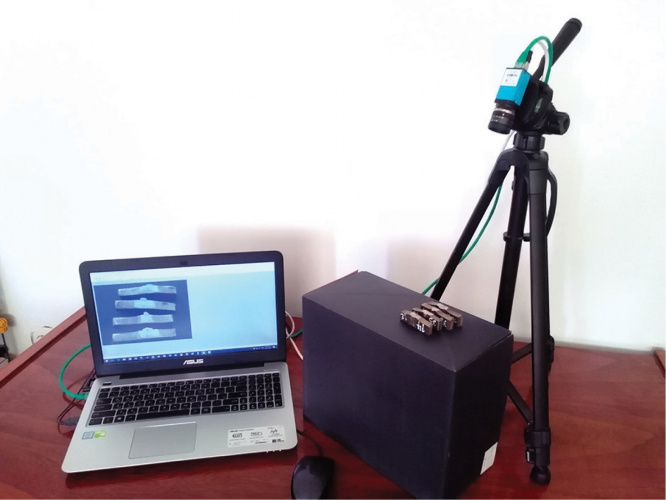
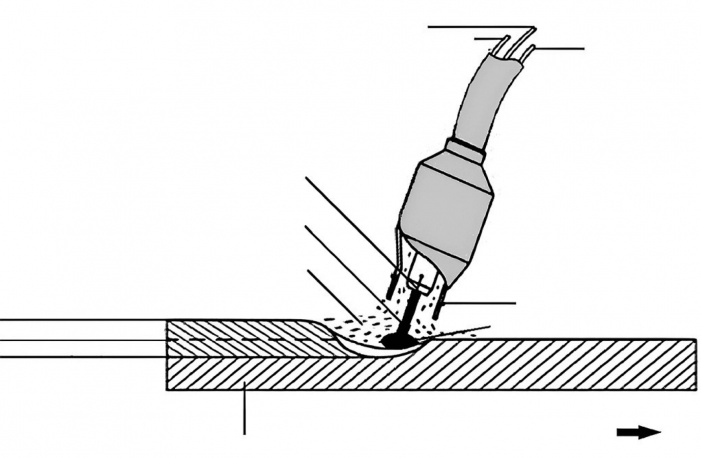
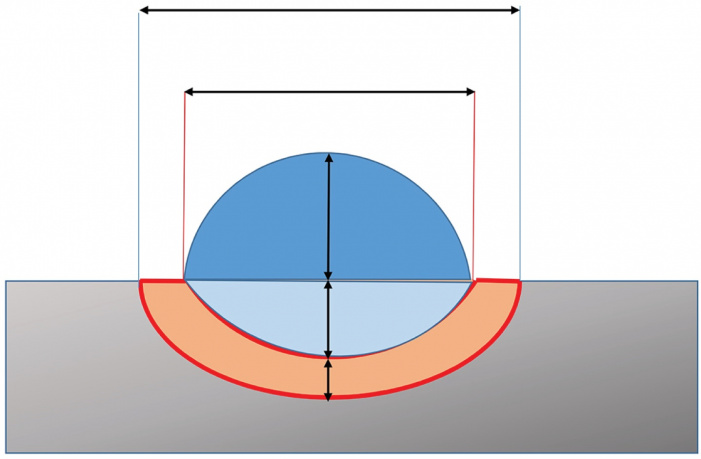
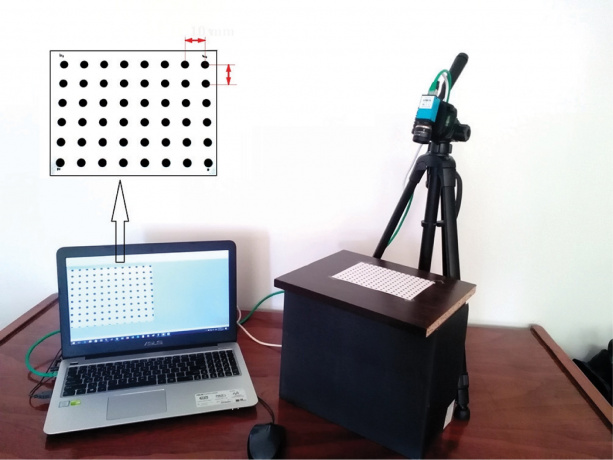
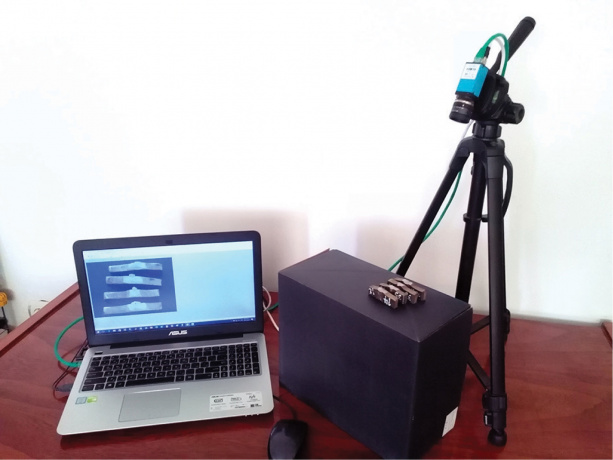
در این پژوهش، با توجه به اهمیت پارامترهایی نظیر ولتاژ، سرعت تغذیه سیم، دبی گاز محافظ، زاویه نازل و فاصله مشعل از قطعه کار در کنترل کیفیت اتصال جوشی، اثر پارامترهای ورودی شامل سرعت جوشکاری، ولتاژ و سرعت تغذیه سیم بر میزان رقت جوش و پهنای منطقه متأثر از حرارت مورد بررسی قرار گرفت. اندازهگیری هندسه گرده جوش، رقت و HAZ با استفاده از تکنیک پردازش تصویر انجام شد.
پس از استخراج دادههای هندسی، ضرایب همبستگی رقت جوش و منطقه متأثر از حرارت با استفاده از مدلسازی نوروفازی پیشبینی شد. نتایج نشان داد میانگین خطای اندازهگیری هندسه گرده جوش با روش پردازش تصویر حدود ۱٫۶۶ درصد بوده و ضرایب همبستگی پیشبینیشده برای رقت جوش و HAZ بهترتیب برابر با ۹۳ و ۹۹ درصد است. این یافتهها بیانگر دقت بالای روش پردازش تصویر در اندازهگیری ویژگیهای جوش و کارایی مناسب سیستم استنتاج نوروفازی تطبیقی در پیشبینی کیفیت جوشکاری قوس فلزی گاز است.
Title
Image Processing Technique for Measuring the Weld Dilution and Heat-Affected Zone to Model the Gas Metal Arc Welding Process by a Neuro-Fuzzy System
Abstract
Measuring the weld dilution and heat-affected zone to model gas metal arc welding is proposed. Gas metal arc welding is a critical process for a high-quality permanent joining of metal workpieces. The voltage, wire feed rate, shielding gas flow, nozzle angle, and distance from the workpiece are essential control parameters for gas metal arc welding. Typically, the quality of a weldment is explained in terms of the geometry of the weld bead, dilution, and heat-affected zone. The degree of dilution plays a vital role in preventing undesirable phases from forming and distributing elements during welding. Additionally, the heat-affected zone affects the mechanical properties and microstructure alterations in the welded metal. The effect of input parameters such as welding velocity, voltage, and wire feeding speed on dilution and the heat-affected zone is investigated in this paper using an image processing technique. Then, the correlation coefficients of the dilution and heat-affected zone were predicted using neuro-fuzzy modeling. Measuring the weld bead geometries was done using the image processing technique with a mean error percentage of 1.66%. Correlation coefficients for the dilution and heat-affected zone were predicted to be 93 and 99, respectively, based on experimental data. The results indicate that the image processing technique is highly capable of measuring the geometry of the weld bead and that the resulting adaptive neuro-fuzzy inference system model is suitable for predicting gas metal arc welding dilution and the heat-affected zone.
Keywords image processing; weld dilution; heat-affected zone; gas metal arc welding; neuro-fuzzy system.
خاطر نشان میگردد این مقاله در دسامبر سال ۲۰۲۳ در Journal of Optical Technology چاپ شده است.
شناسه DOI مقاله:
https://doi.org/10.1364/JOT.90.000743


نظر شما :