
انتشار مقاله عضو هیأت علمی گروه مهندسی مواد در خصوص مقاومت سایش چدنهای پرکروم A۵۳۲-Class III در برابر ذرات ساینده پرانرژی
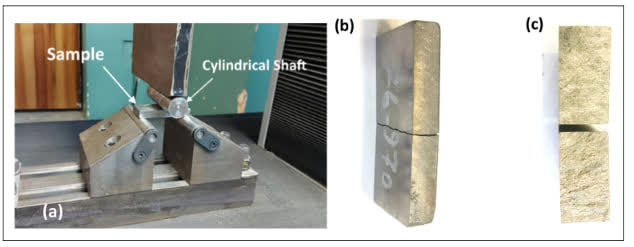
در این پژوهش، سه ترکیب شیمیایی مختلف از چدنهای پرکروم در محدوده اوتکتیک و هایپوئوتکتیک مورد بررسی قرار گرفت. نمونهها ابتدا در دمای ۱۰۶۰ و ۹۷۰ درجه سانتیگراد تحت فرایند ناپایدارسازی آستنیت قرار گرفتند، سپس با هوا خنک و در ادامه به مدت ۴ ساعت در بازه ۲۵۰ تا ۴۰۰ درجه سانتیگراد تمپر شدند. پس از تعیین شرایط حرارتی بهینه، آزمونهای فرسایش و خمش برای ارزیابی ارتباط میان عملیات حرارتی، ریزساختار و عملکرد سایشی انجام گرفت.
نتایج نشان داد سختی نمونههای عملیاتشده در ۹۷۰ درجه سانتیگراد و همچنین نمونههای هایپوئوتکتیک کمکربن که در ۱۰۶۰ درجه سانتیگراد ناپایدارسازی شده بودند، با افزایش دمای تمپرینگ بالاتر از ۳۰۰ درجه سانتیگراد افزایش مییابد؛ این پدیده ناشی از تشکیل حجم بیشتری از کاربیدهای M₂₃C₆ است. بهترین مقاومت فرسایشی متعلق به نمونه هایپوئوتکتیک کمکربن با ناپایدارسازی در ۱۰۶۰ درجه سانتیگراد و تمپرینگ در ۳۰۰ درجه سانتیگراد بود. همچنین مشخص شد نمونههای دارای مقاومت فرسایش بیشتر، استحکام خمشی کمتری دارند.
بررسی مکانیزم سایش بیانگر آن است که فرسایش عمدتاً از طریق تغییر شکل پلاستیک سطح و جداشدن کاربیدها پیش از اثرگذاری مؤثر آنها رخ میدهد. این نتایج اهمیت ریزساختار، بهویژه توزیع و چسبندگی کاربیدها، را در کنترل رفتار سایشی نشان میدهد و میتواند راهنمایی کاربردی برای انتخاب ترکیب و عملیات حرارتی مناسب در قطعات صنعتی حساس به سایش باشد.
Title
Investigating the Wear Resistance of High-Chromium Cast Irons A532-Class III-Type A Against High-Energy Abrasive Particles
Abstract
Regarding the widespread use of high-chromium cast irons in manufacturing various industrial and mineral-processing parts such as liners, slurry pumps, and grinding balls, increasing erosion resistance is the key factor to enhance their performance. This research investigated three different chemical compositions of high-chromium irons (in the eutectic and hypoeutectic range). The austenite destabilization process was conducted at two temperatures of 1060°C and 970°C, followed by air cooling and then tempering in the range of 250°C to 400°C for 4 h. Erosion and bending tests were carried out on samples with optimal heat treatment conditions. Results show that the hardness of specimens heat-treated at 970°C, and also the low-carbon hypoeutectic specimens destabilized at 1060°C, increased by increasing tempering temperature over 300°C, which can be related to the formation of a higher volume fraction of M23C6 carbides. The best erosion resistance was observed in the low-carbon hypoeutectic specimen destabilized at 1060°C and tempered at 300°C. In addition, samples with higher erosion resistance exhibit lower bending strength. Finally, it was found that the principal wear mechanism was the occurrence of plastic deformation and detachment of carbides from the surface before having an effective role in reducing wear.
Keywords high-chromium cast iron; heat treatment; high-energy abrasive wear; bending strength.
خاطر نشان میگردد این مقاله در سال 1403 در ژورنال Ironmaking & Steelmaking چاپ شده است.

نظر شما :