
تحلیل چقرمگی شکست ترکهای نیمبیضوی در آلومینیوم در پژوهش عضو هیأت علمی گروه مهندسی مکانیک

در این پژوهش که به دلیل اهمیت حیاتی شکستهای ناشی از خستگی در قطعات صنعتی انجام شده است، رفتار شکست یک ترک نیمبیضوی تحت بارگذاری چرخهای با تمرکز ویژه بر نقش تنش پسماند مورد مطالعه قرار گرفت. از آنجایی که بیشتر شکستهای ناشی از خستگی به صورت ترکهای نیمدایرهای یا نیمبیضوی رشد میکنند، شبیهسازی دقیق این هندسه اهمیت بسزایی در پیشبینی عمر قطعات دارد. در این تحقیق، بیشینه اندازه مجاز ترک سطحی با استفاده از روش انتگرال J تعیین شده است.
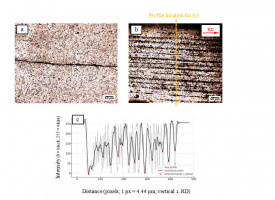
برای اعتبارسنجی نتایج تحلیل اجزای محدود، آزمونهای تجربی بر روی نمونههای آلومینیومی انجام و نمودار نیرو بر حسب میزان بازشدگی دهانه ترک استخراج شد. همچنین با استفاده از تصاویر میکروسکوپ الکترونی روبشی (SEM)، سطح شکست نمونهها در دو حالت دارای تنش پسماند و بدون آن مورد تجزیه و تحلیل قرار گرفت. نتایج نشان داد که وجود تنش پسماند کششی در نوک ترک نیمبیضوی، منجر به کاهش چقرمگی شکست و بروز شکست مود ترکیبی (ترکیبی از شکست نرم و ترد) میشود. تصاویر میکروسکوپی حضور همزمان حفرات ریز (Dimples) و سطوح رخبرگی (Cleavage) را تأیید کرد که نشاندهنده کاهش شکلپذیری و شکست زودهنگام قطعه در حضور تنش پسماند است. بر اساس یافتههای این تحقیق، اندازه مجاز ترک در قطعات دارای تنش پسماند به مراتب کوچکتر از قطعات فاقد این تنشهاست که این موضوع باید در طراحیهای مهندسی لحاظ گردد.
Title
Influence of residual stress on the fracture toughness of semi-elliptical cracks in aluminum: a numerical and experimental investigation
Abstract
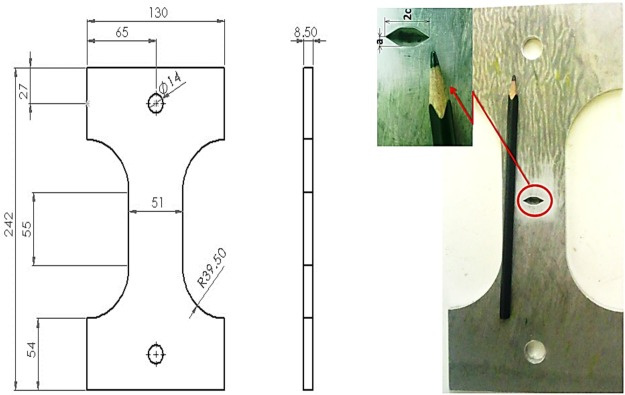
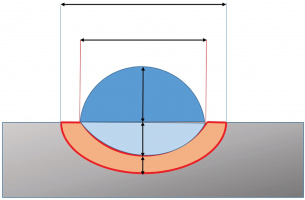
This research employs finite element analysis to explore the fracture behavior of a semi-elliptical crack under cyclic loading conditions, with a specific focus on the influence of residual stress. The study of this particular crack geometry is relevant as fatigue failures commonly propagate as semicircular or semi-elliptical cracks. Furthermore, the maximum surface crack size was determined using the J-integral method. To validate the finite element analysis results, experimental tests were performed on the aluminum alloy, producing a force versus crack opening diagram. Additionally, scanning electron microscope (SEM) imaging was used to analyze the fracture surfaces of samples both with and without residual stress. The experimental results aligned closely with the simulation data. The fracture surface of the sample containing residual stress revealed a mixed-mode failure, featuring both dimples (indicating ductile fracture) and cleavage facets (indicating brittle fracture). Furthermore, micro-cracks initiated by the residual stress caused earlier fracture and reduced plastic deformation. The results also showed that tensile residual stress at the tip of a semi-elliptical crack reduces fracture toughness. Consequently, the maximum allowable surface crack size is smaller in components with residual stress than in those without it.
Keywords Residual stress; Fracture toughness; Semi-elliptical crack; Aluminum alloy; J-integral method; Finite element analysis (FEA)
خاطر نشان میگردد این مقاله در جولای سال ۲۰۲۶ در ژورنال معتبر Engineering Failure Analysis به چاپ رسیده است.
نظر شما :